
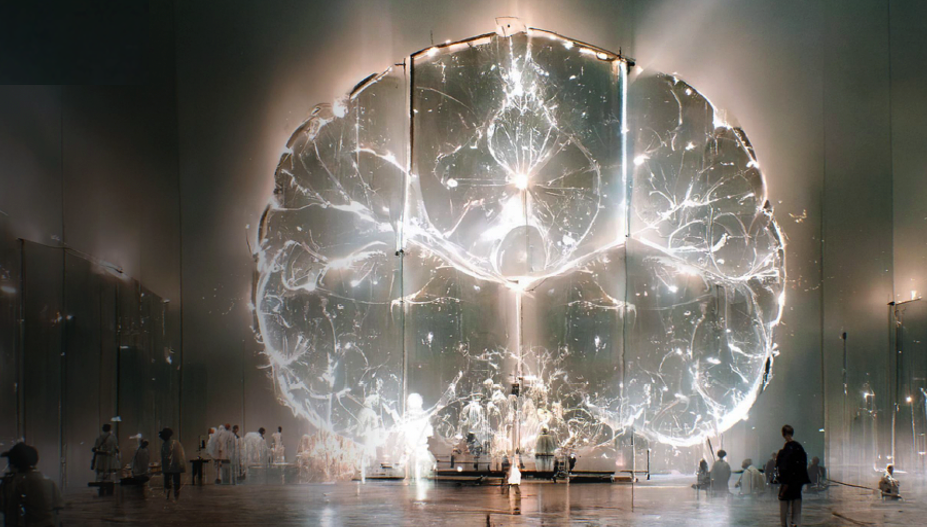
Your professional future, in a world shaped by AI, is yet to be built and is up to you. Instead of trying to predict change, devote your energy to transforming uncertainty into opportunity, embracing AI not as a challenge to overcome, but as a strategic ally in your career development.
Since last fall, artificial intelligence, especially with the advent of ChatGPT and its most recent evolution, GPT-4, has taken center stage in discussions about the future of business, work, and education. As we enter this new year, we find ourselves with a work scenario transformed by AI, which has established itself as a determining factor in the development of successful professional careers. Its influence goes beyond the automation of routine tasks, opening up a range of new and promising job opportunities. This phenomenon is reshaping the landscape of our careers, driving the redefinition of the skills that will be key to ensuring our employability in the future.
AI’s influence transcends the boundaries of routine jobs and extends to highly skilled and well-paid professions. Whether we’re talking about writers and artists or lawyers and consultants, we’re all on the threshold of a transformation: significant parts of our professions will be reshaped by artificial intelligence. For some, this could mean a profound reinvention of their roles; for others, an opportunity for personal innovation and a renewed way of valuing and managing our time.
Faced with this exciting scenario, but at the same time full of challenges, fundamental questions emerge that we must face decisively. How can we prepare for the constant wave of change that AI promises to bring to the job market? Which skills will be most prized? To what extent will re-education and lifelong learning define our future?
In today’s analysis, we will delve into two crucial issues that directly affect our lives: employability and the very nature of employment. We’ll explore five key questions that resonate with those looking to build a strong career in the age of artificial intelligence. We invite you to join us in this detailed exploration of the impact of AI on employability and to discover together effective strategies to successfully navigate this exciting and challenging new world of work.
What worries you more: current employment or future employability?
Two key concepts emerge in this new landscape: employability and employment, and understanding the difference between the two is essential to successfully navigate this age of AI.
Employment refers to the specific job position we hold in a company or organization at a particular time. This implies that we have a job that provides us with a salary or financial compensation in exchange for performing specific tasks within an established organizational structure. However, employment is not always synonymous with satisfaction, career growth, or skills development.
Employability, on the other hand, is a critical skill for all professionals in the world of AI. It refers to our ability to find, maintain, and advance our careers, regardless of whether we are in a current job or looking for a new one. Employability is about adaptation, continuous learning and constant improvement of skills and knowledge. In a world where AI is rapidly changing the way we communicate, learn, and work, employability becomes a crucial factor.
It is important to understand that both employment and employability are critical to building a strong professional future in this age of AI. If we find ourselves stuck in a job that doesn’t motivate us or allow us to grow, we’re experiencing an employment problem. But if we worry about the potential automation of our work or feel insecure about our skills in an ever-changing job market, we’re facing an employability problem.
Employability, ultimately, is linked to our ability as professionals to generate social and economic value collaboratively with artificial intelligence. The challenge lies in balancing the two. We must look for jobs that motivate us and allow us to use our skills and knowledge effectively, while also investing in our employability to be prepared for the changes and challenges that AI can bring.
Here are some questions that can help you determine if you should be concerned about your current job: Are you satisfied with your current job and feel motivated in it? Do you feel that you are using your skills and knowledge effectively in your current job?
And these other questions will allow you to assess whether you have an employability problem and doubts about your ability to find job opportunities in the future: Have you experienced difficulties finding employment or changing jobs when you wanted to?, Do you think your skills and knowledge are becoming obsolete in your current field of work?, Have you experienced a decrease in your job opportunities due to automation and artificial intelligence?, Have you noticed that job offers are changing and require different skills than you currently have?, Do you feel insecure about your long-term employability in an increasingly competitive job market?
Five Key Questions
Imagine your career as a vehicle that takes you into the future. Your current job is like a stop along the way, but your employability is the fuel that will keep that vehicle moving throughout your working life. Artificial intelligence is rapidly transforming the job landscape, and if you only focus on your current job, you could be left behind.
On this journey into the professional future, it’s crucial to ask the right questions. Instead of seeing AI as a threat, we can look at it as a powerful tool to improve our employability. These five key questions will help you build your professional future in the Age of AI. From acquiring skills to making ethical decisions, these questions will guide you on your path to a successful and sustainable career in an AI-driven world.
Start creating your future today
It is common for many people to consider their career future to be largely determined by past experiences and believe that they have limited influence over their job destiny, especially in a world increasingly influenced by artificial intelligence (AI). However, the reality is that we have the ability to define our own career path if we take an active role in creating it.
Rather than seeing the future as a mere projection of the past, we must understand that it is something new and dynamic that we shape through our actions and omissions. To effectively address our professional future in the age of AI, we need to believe in our own ability to influence it and start taking action today.
We should not let others decide our professional future for us, as they are likely to prioritize their interests. Therefore, We must take an active role in creating our own work destiny, focusing on constant learning and adaptability. AI is an ever-evolving field, so we need to keep our skills up to date as new technologies and approaches emerge in this rapidly evolving field.
For years, I’ve shared reflections on personal innovation as a lifestyle and accompanied people in the process of crystallizing their visions of the future. This journey is made up of three essential steps that have allowed numerous professionals, just like you, to actively shape their desired future.

Now that you have glimpsed the path to becoming the architect of your future in the age of Artificial Intelligence, I invite you to take the first step. Start designing your tomorrow today, don’t wait for the future to catch up with you; Take the reins and start building it with intention and determination.
Discover more from José Cabrera
Subscribe to get the latest posts sent to your email.


